
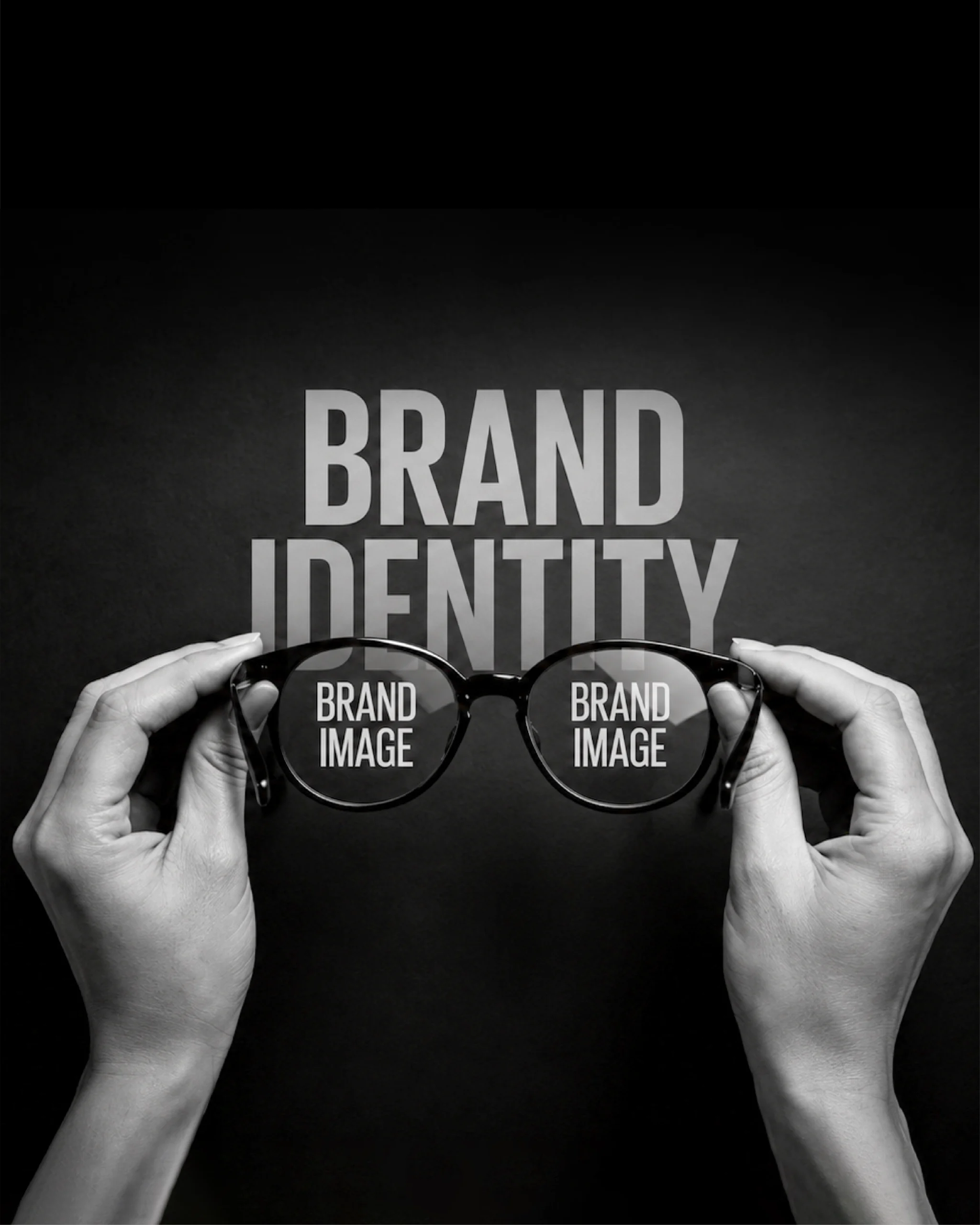
Branding is one of the most valuable investments a business can make. Yet, many business owners confuse brand identity with brand image, assuming they mean the same thing. In reality, they are two distinct concepts that work together to shape how customers perceive your business.
You may spend months designing a professional logo, building a beautiful website, and creating compelling marketing campaigns. But if customers don’t experience your business the way you intended, your branding efforts may not deliver the desired results.
Think of it this way: your brand identity is the story you tell about your business, while your brand image is the story your customers tell others after interacting with you.
Understanding the difference between brand identity and brand image is essential for building trust, attracting the right audience, and creating long-term business growth.
In this guide, we’ll explain the key differences, why they matter, and how you can align both to build a stronger, more successful brand.
Quick Answer
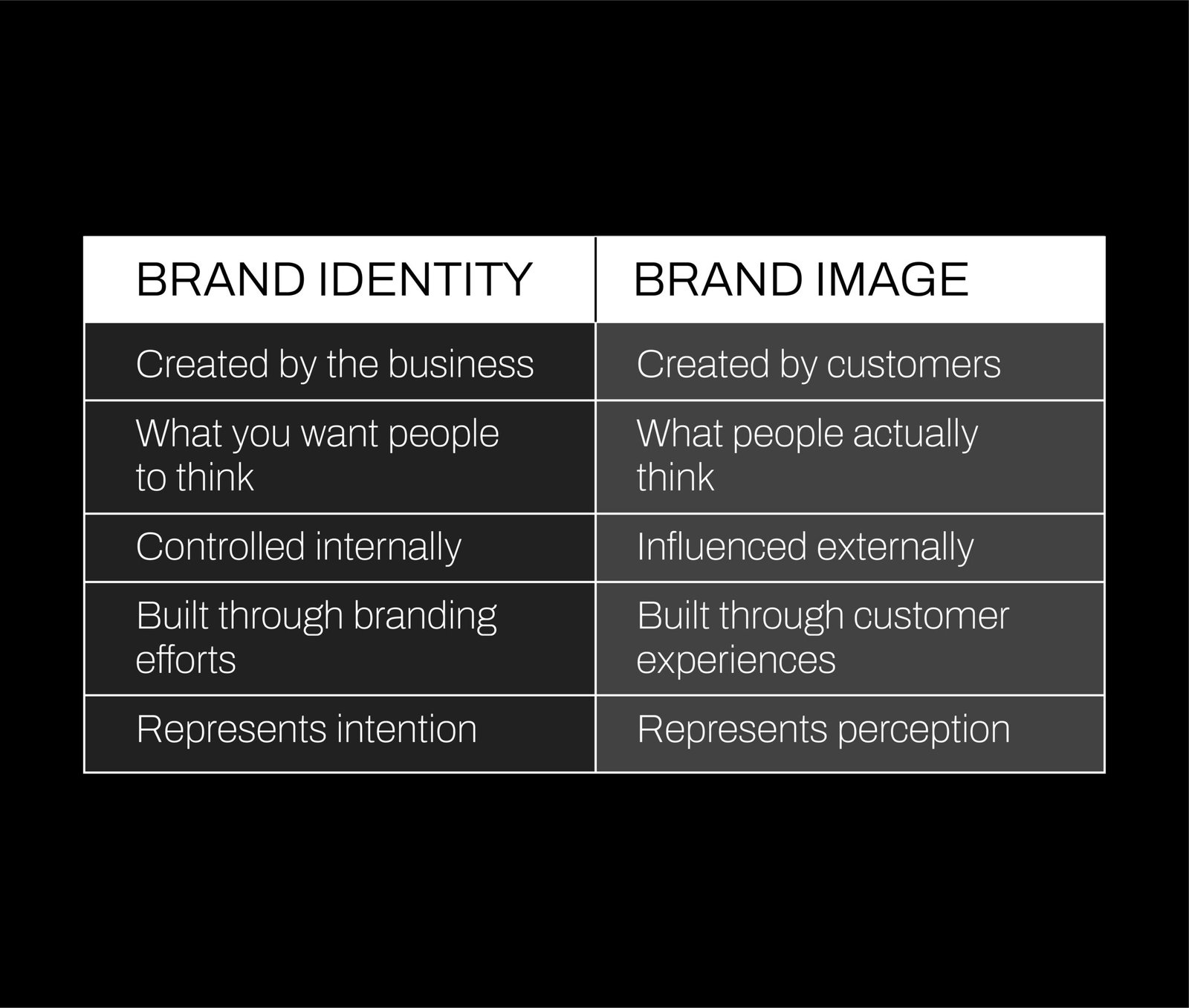
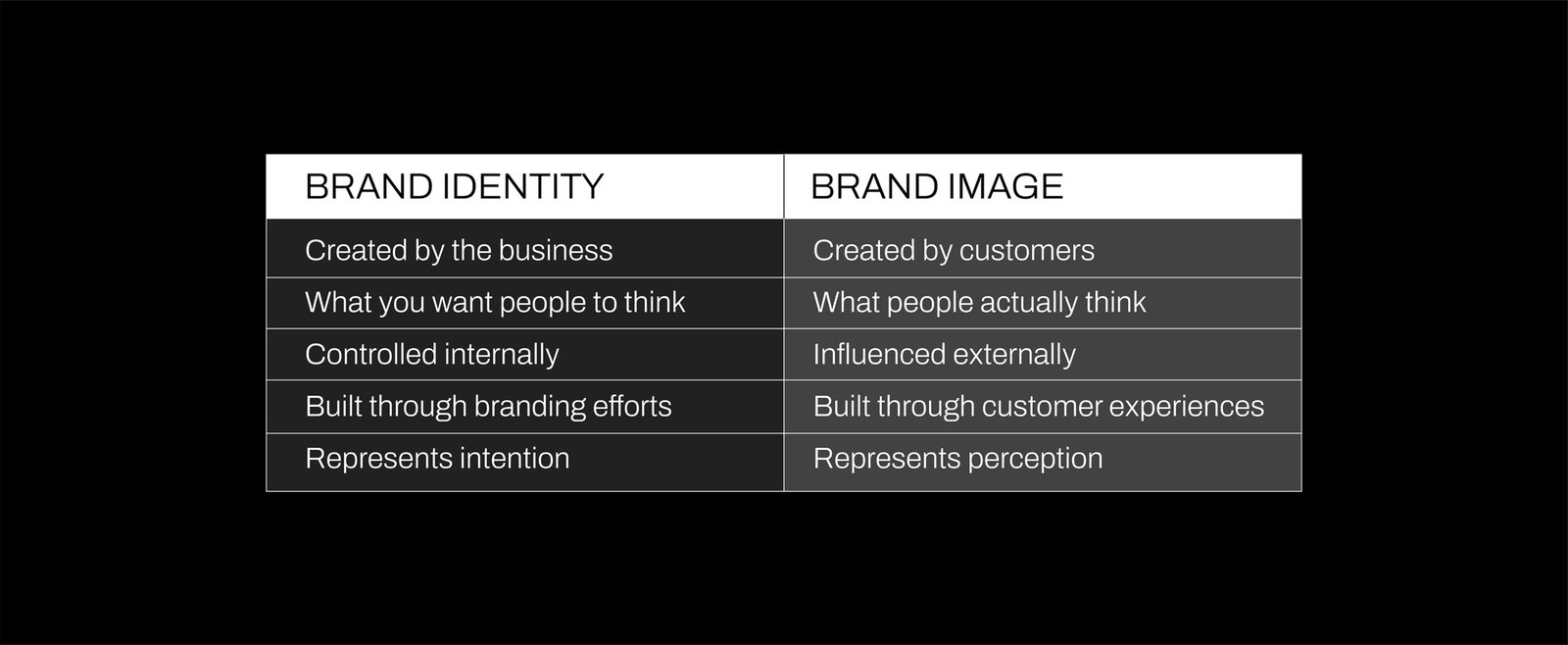
Brand identity is how your business wants to be perceived, while brand image is how customers actually perceive it. Brand identity is created by the business, whereas brand image is formed through customer experiences. A successful brand is built when both are aligned.
What Is Brand Identity?
Brand identity is the collection of visual, verbal, and strategic elements a business intentionally creates to communicate who it is and what it stands for. It represents how you want customers to recognize and remember your business.
A strong brand identity helps differentiate your business from competitors while creating consistency across every customer touchpoint.
It includes:
Every one of these elements should work together to communicate a consistent personality and message.
For example, if a luxury jewellery brand positions itself as premium, every touchpoint from its website and social media to packaging and customer service should reinforce that premium experience.
Without consistency, customers become confused, making it difficult to build trust and recognition.
Why Brand Identity Matters
A well-defined brand identity helps businesses:
However, even the strongest brand identity doesn’t guarantee success.
Customers judge your business based on their experiences not just your marketing materials.
What Is Brand Image?
While brand identity is created by the business, brand image is created by customers.
Brand image is the overall perception people develop after interacting with your business over time. It reflects what customers think, feel, and say about your brand based on every experience they have with it.
Brand image is influenced by:
Instead, businesses influence it by consistently delivering on their promises.
For example, a company may invest heavily in premium branding, but if customers experience poor service or inconsistent quality, they are unlikely to perceive it as a premium brand.
As a result, the brand image becomes very different from the intended brand identity.
Why the Difference Matters
Many businesses believe that investing in a professional logo, attractive website, and creative marketing campaigns is enough to build a successful brand. While these elements are important, they represent only one side of the branding equation.
A strong brand is built when your brand identity matches your customers’ experiences.
If your branding promises premium quality but your customer service is poor, customers will trust their experience not your advertisements. Likewise, if your marketing positions your business as innovative but your website is outdated or your service is inconsistent, your brand image will quickly suffer.
The most successful brands are those where what the business promises and what customers experience are perfectly aligned.
According to the American Marketing Association (AMA), a brand is much more than a name or logo it represents the overall perception customers associate with a business.
Google also emphasizes creating people-first experiences through its Helpful Content Guidelines, reinforcing the importance of consistency, authenticity, and value in every customer interaction.
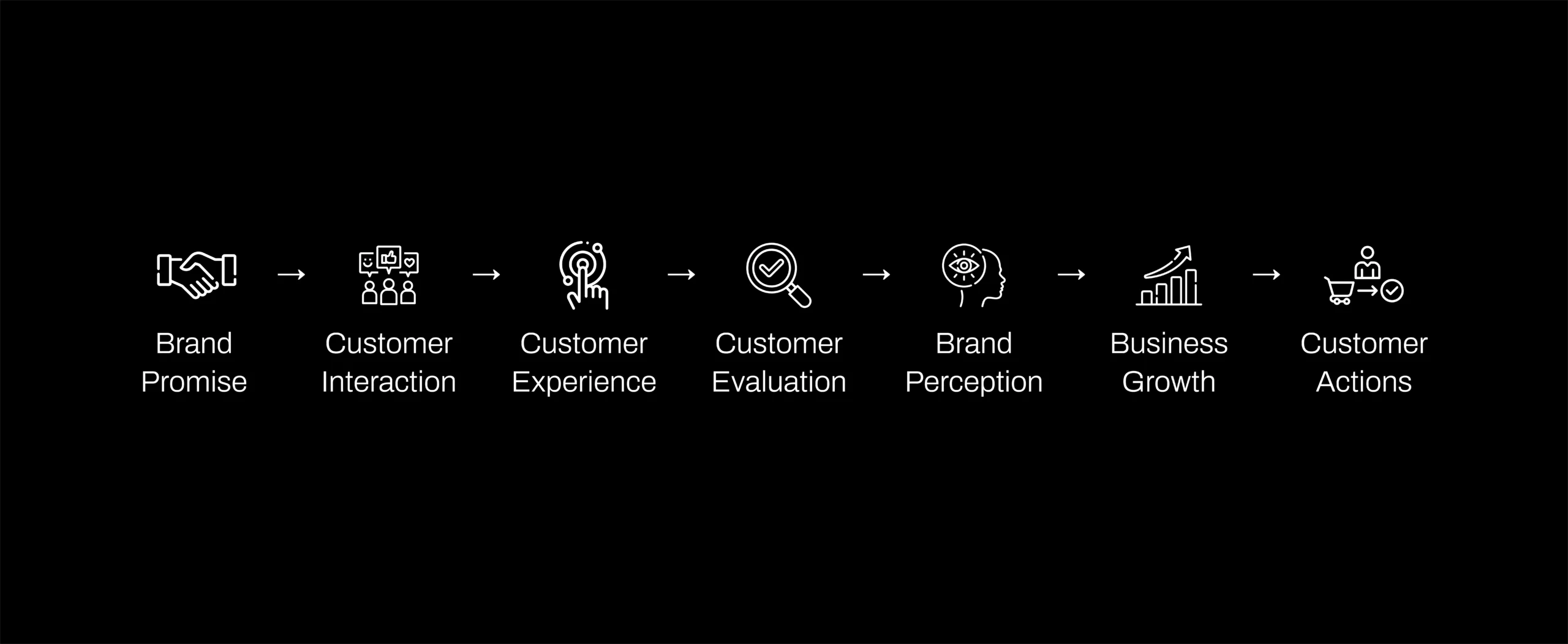
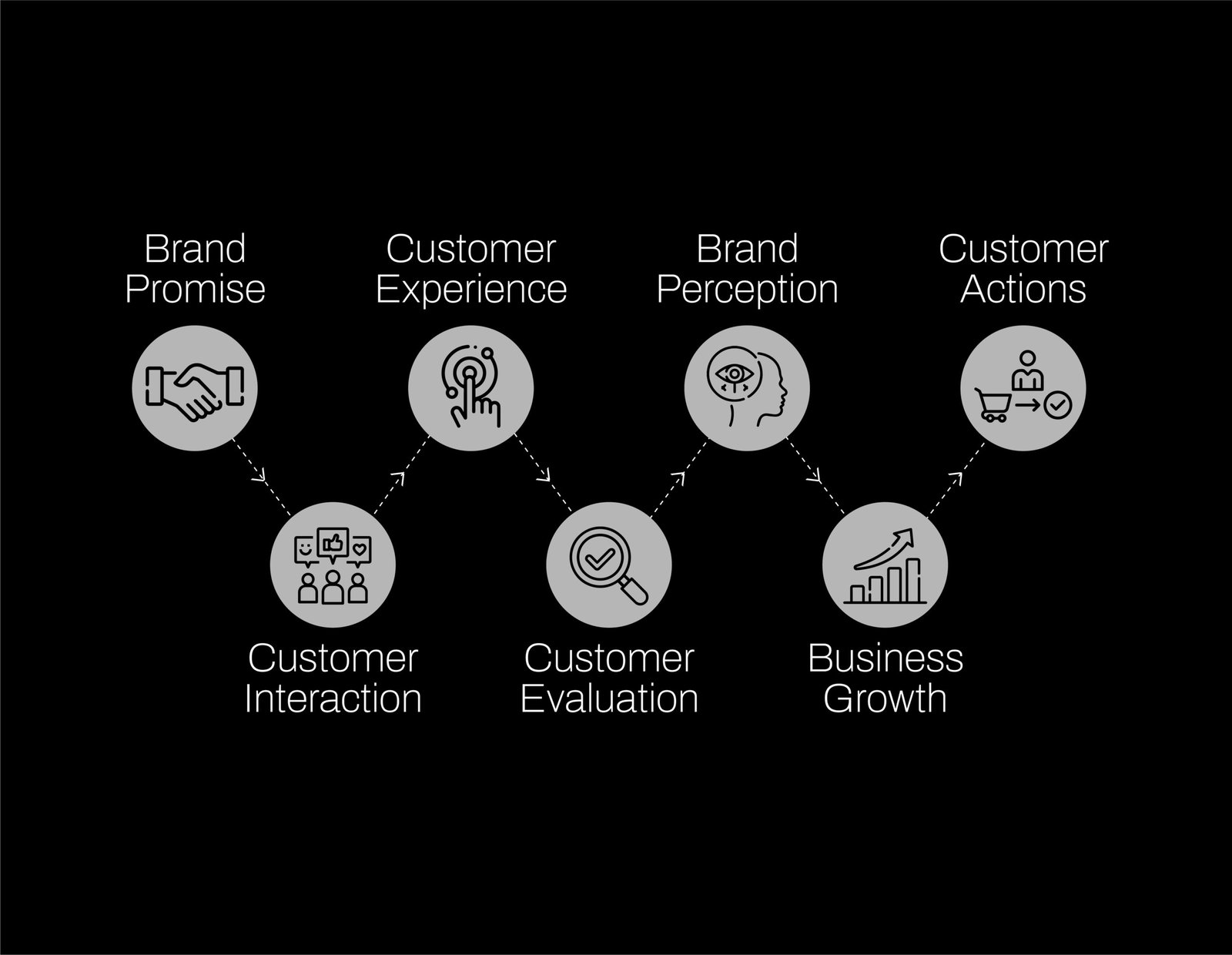
Customer perception is the bridge between brand identity and brand image.
Every interaction customers have with your business influences how they perceive your brand. From the first website visit to post-purchase support, each touchpoint either strengthens or weakens your reputation.
Positive experiences build trust, while negative experiences create doubt.
Real-World Example
Imagine a premium restaurant with elegant interiors, luxury branding, and beautifully designed menus. Every aspect of its brand identity communicates sophistication and quality.
However, when customers visit, they experience slow service, average food, and unprofessional staff.
Despite the premium branding, customers leave disappointed.
Soon, online reviews begin highlighting poor service instead of beautiful interiors.
The restaurant’s brand image becomes negative because the customer experience doesn’t match the brand promise.
This example demonstrates a simple but powerful truth:
Branding attracts customers. Customer experience determines whether they return.
A Great Example of Brand Alignment
One of the world’s best examples of strong brand alignment is Apple.
Apple’s brand identity is built around:
Over the years, Apple has consistently delivered products and experiences that reinforce these values.
Whether customers purchase an iPhone, MacBook, iPad, or Apple Watch, the experience generally reflects the same premium positioning communicated through Apple’s branding.
As a result, Apple’s brand image closely matches its brand identity, allowing the company to command premium pricing and exceptional customer loyalty.
Benefits of Aligning Brand Identity and Brand Image
When your brand promise matches the customer experience, your business gains far more than recognition it earns trust.
Some of the biggest benefits include:
When customers know what to expect and consistently receive it they’re more likely to return, recommend your business, and choose you over competitors.
Trust Builds Strong Brands
According to the Edelman Trust Barometer, trust is one of the most influential factors in customer decision-making. People are more likely to buy from businesses they trust, even when competitors offer similar products or lower prices.
That’s why successful branding isn’t just about being noticed, it’s about becoming trusted.
Your logo may create the first impression, but your customer experience determines your long-term reputation.
Signs Your Brand Identity and Brand Image Don’t Match
Many businesses don’t realize there’s a gap between how they want to be perceived and how customers actually perceive them. This disconnect can slow business growth, reduce customer trust, and make marketing less effective.
Here are some common warning signs that your brand identity and brand image may be misaligned.
1. Customers Don’t Understand What You Offer
If potential customers frequently ask basic questions about your products or services, your brand messaging may not be clear enough.
2. You’re Attracting the Wrong Audience
Receiving enquiries from people outside your ideal customer profile often indicates that your branding isn’t communicating your positioning effectively.
3. Customers Question Your Pricing
If customers regularly say:
“Why are you so expensive?”
“I found a cheaper option.”
Your brand may not be communicating enough value to justify your pricing.
4. Online Reviews Don’t Reflect Your Brand Promise
Your website might promise outstanding customer service, but if reviews consistently mention poor communication or delayed responses, customers will believe their experiences over your marketing.
5. Marketing Generates Attention but Not Sales
High reach, impressions, or social media engagement don’t always translate into customers.
If people notice your brand but don’t trust it enough to buy, your brand identity and brand image are likely disconnected.
6. Customers Describe Your Business Differently
Ask a few existing customers:
“If you had to describe our business in one sentence, what would you say?”
If their answers differ significantly from your intended brand positioning, it’s time to review your branding strategy.
How to Align Brand Identity with Brand Image
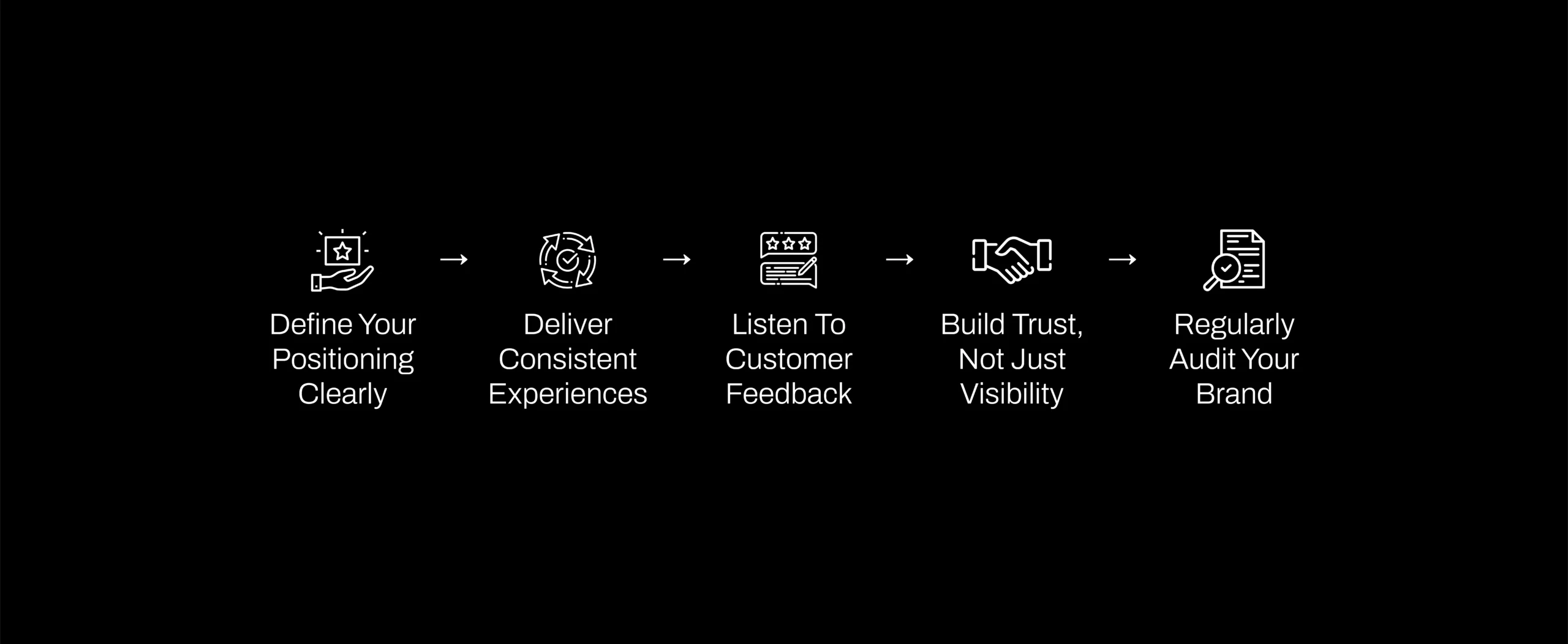
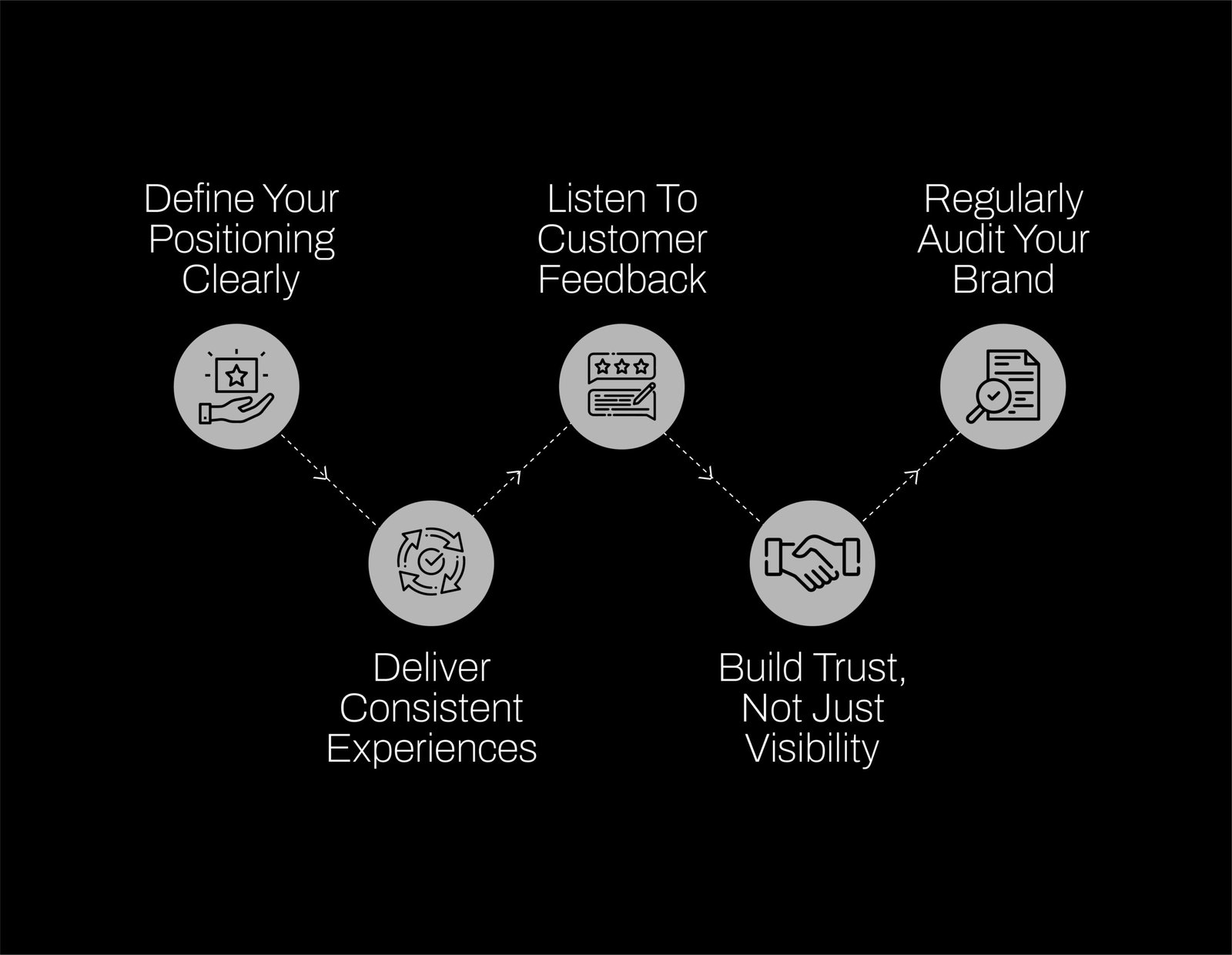
Building a strong brand isn’t about changing your logo every few years it’s about ensuring every customer experience reflects your brand promise.
Step 1: Define Your Brand Positioning
Clearly identify:
Who you serve
What makes you different
Why customers should choose you
What you want your brand to be known for
A clear positioning strategy forms the foundation of a strong brand identity.
Step 2: Create a Consistent Visual Identity
Ensure consistency across every customer touchpoint, including:
Step 3: Develop Clear Brand Messaging
Your messaging should communicate:
Your value proposition
Customers should instantly understand who you are and what you stand for.
Step 4: Deliver Exceptional Customer Experiences
Customer experience has the greatest influence on brand image.
Focus on:
Every interaction contributes to customer perception.
Step 5: Listen to Customer Feedback
Customer reviews, testimonials, surveys, and social media comments provide valuable insights into how your brand is actually perceived.
Regularly monitor feedback and use it to improve your products, services, and customer experience.
Step 6: Audit Your Brand Regularly
Review your branding every 6–12 months by asking:
Small improvements made consistently can significantly strengthen your brand over time.
Conclusion
A successful brand is not built by great design alone it’s built through the combination of strong brand identity and positive customer experiences.
While your brand identity communicates who you want to be, your brand image reflects who customers believe you are.
The closer these two align, the stronger your reputation becomes.
Businesses that consistently deliver on their promises earn customer trust, generate positive word-of-mouth, attract loyal customers, and create long-term growth.
Whether you’re launching a new business or strengthening an existing one, aligning your brand identity with your brand image should be a key part of your business strategy.
Because in the end, your customers don’t buy your logo they buy the confidence and trust your brand inspires.
Build a Brand That Customers Trust
Creating a memorable brand takes more than a professional logo or an attractive website. It requires a clear strategy, consistent messaging, and exceptional customer experiences.
At BrandBand Media, we help businesses build brands that not only look professional but also earn trust and drive measurable business growth.
BrandBand Media Pvt. Ltd. is Pune’s leading branding and advertising agency dedicated to crafting impactful brand experiences.
BrandBand Media Pvt. Ltd.
Amogh Heights, Flat No.: 203, 2nd Floor Opp Yes Bank & Ruturang Society, Aranyeshwar Rd, Near TVS Shelar Showroom, Parvati, Pune 411009
info@brandbandmedia.com
Phone: +91 907 502 1409
Tel No: 020-24 46 2151
BrandBand Media Pvt. Ltd. is Pune’s leading branding and advertising agency dedicated to crafting impactful brand experiences.
BrandBand Media Pvt. Ltd.
Amogh Heights, Flat No.: 203, 2nd Floor Opp Yes Bank & Ruturang Society, Aranyeshwar Rd, Near TVS Shelar Showroom, Parvati, Pune 411009
info@brandbandmedia.com
Phone: +91 907 502 1409
Tel No: 020-24 46 2151
All Rights Reserved © Brandband Media Pvt. Ltd.
Privacy Policy | Terms & Conditions