
For decades, Kodak dominated photography. It had a trusted name, loyal customers, and a strong market position.
Ironically, Kodak was one of the first companies to invent digital camera technology.
But internally, the company still believed people would continue buying film. They never questioned whether customer behaviour had changed.
The market had already moved.
Consumers wanted convenience, instant photos, and digital sharing.
Competitors adapted.
Kodak didn’t.
The problem wasn’t that Kodak had a weak brand.
The problem was that they failed to audit whether their brand, products, and positioning were still relevant.
The result?
A company that once controlled the industry eventually filed for bankruptcy.
A brand audit isn’t just about fixing logos.
Sometimes it helps businesses realize that their customers have changed even if they haven’t.
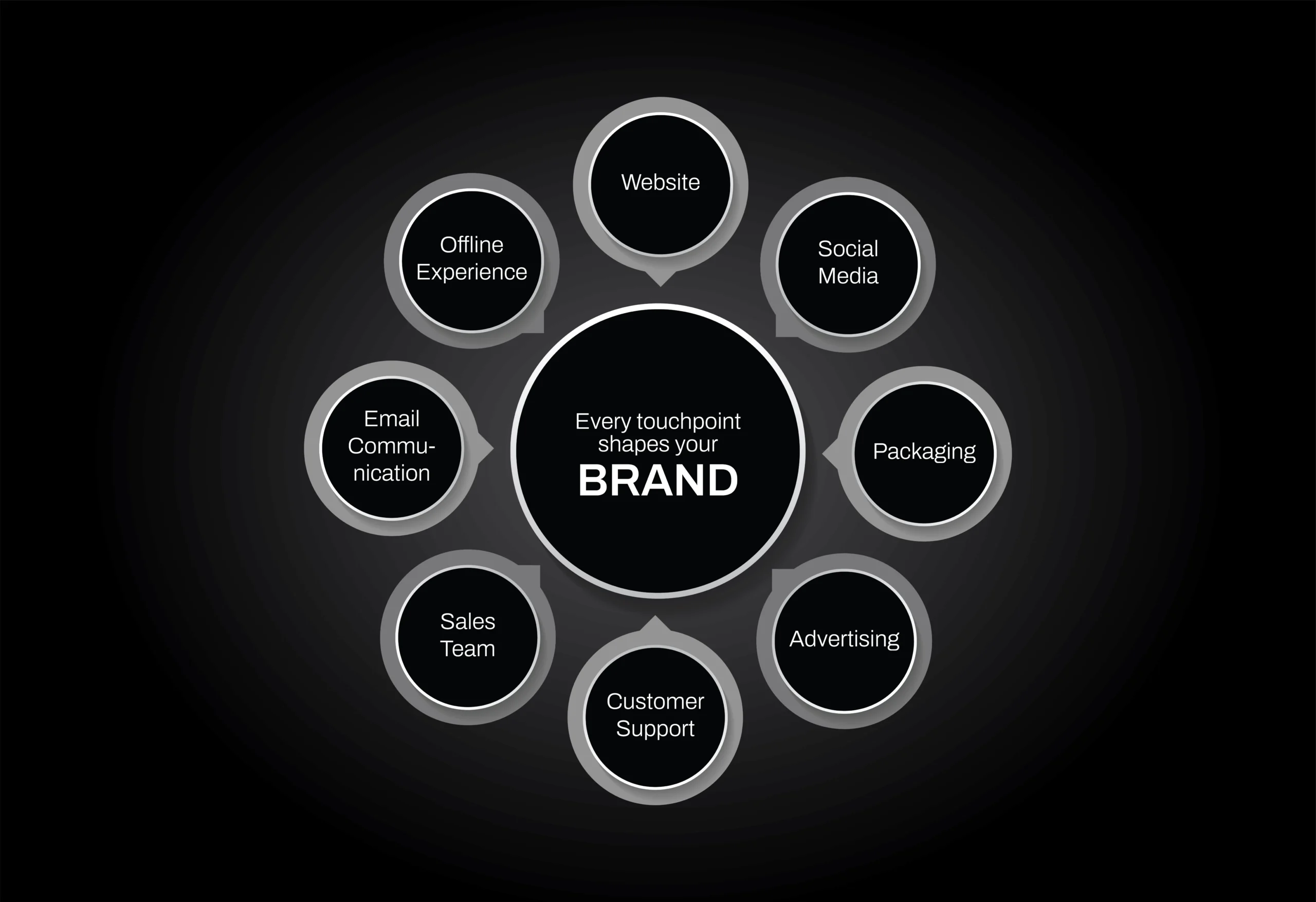
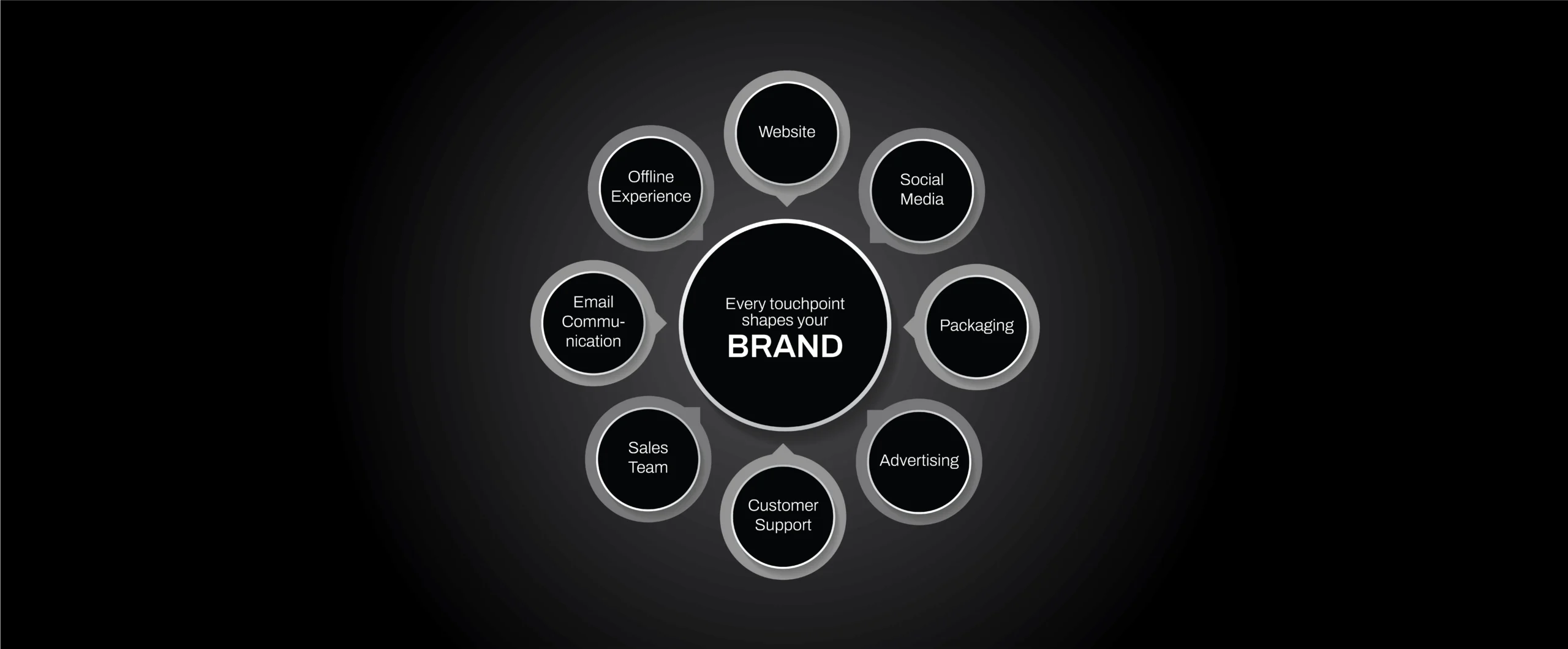
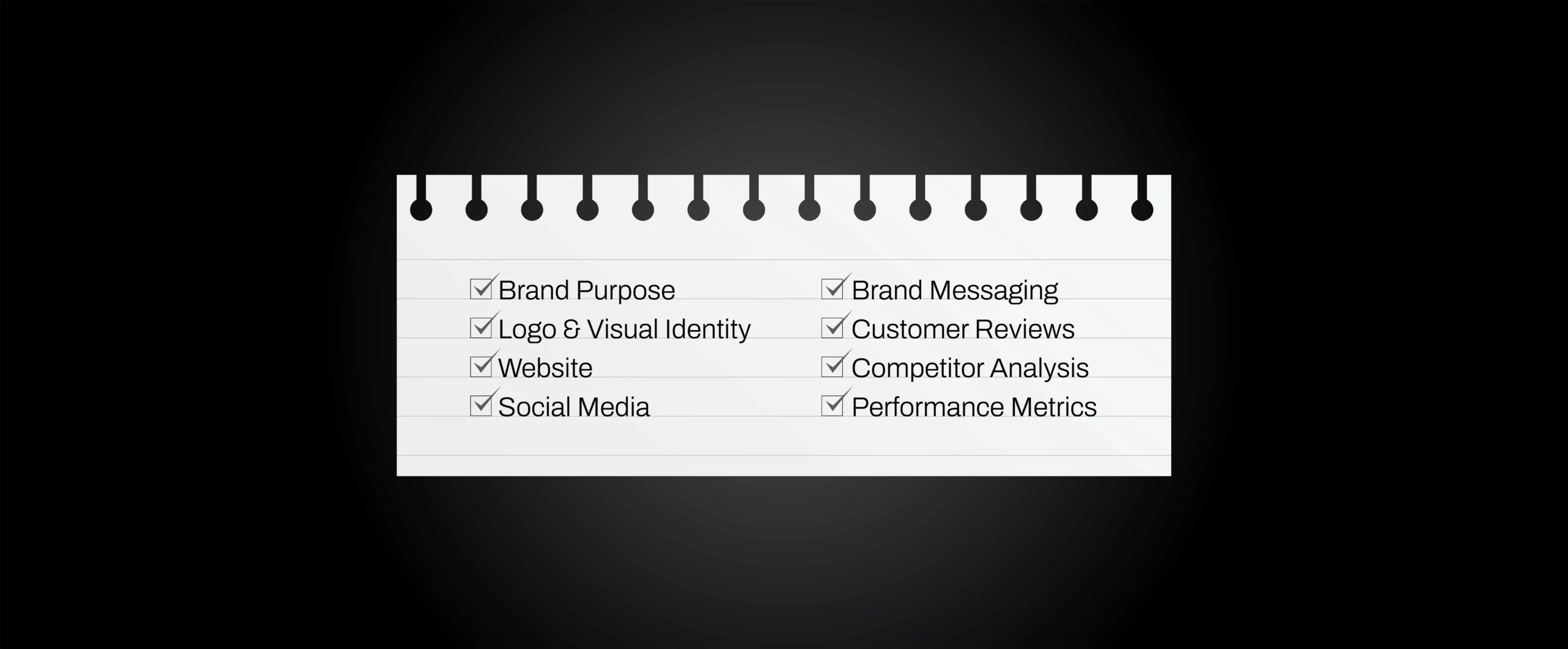
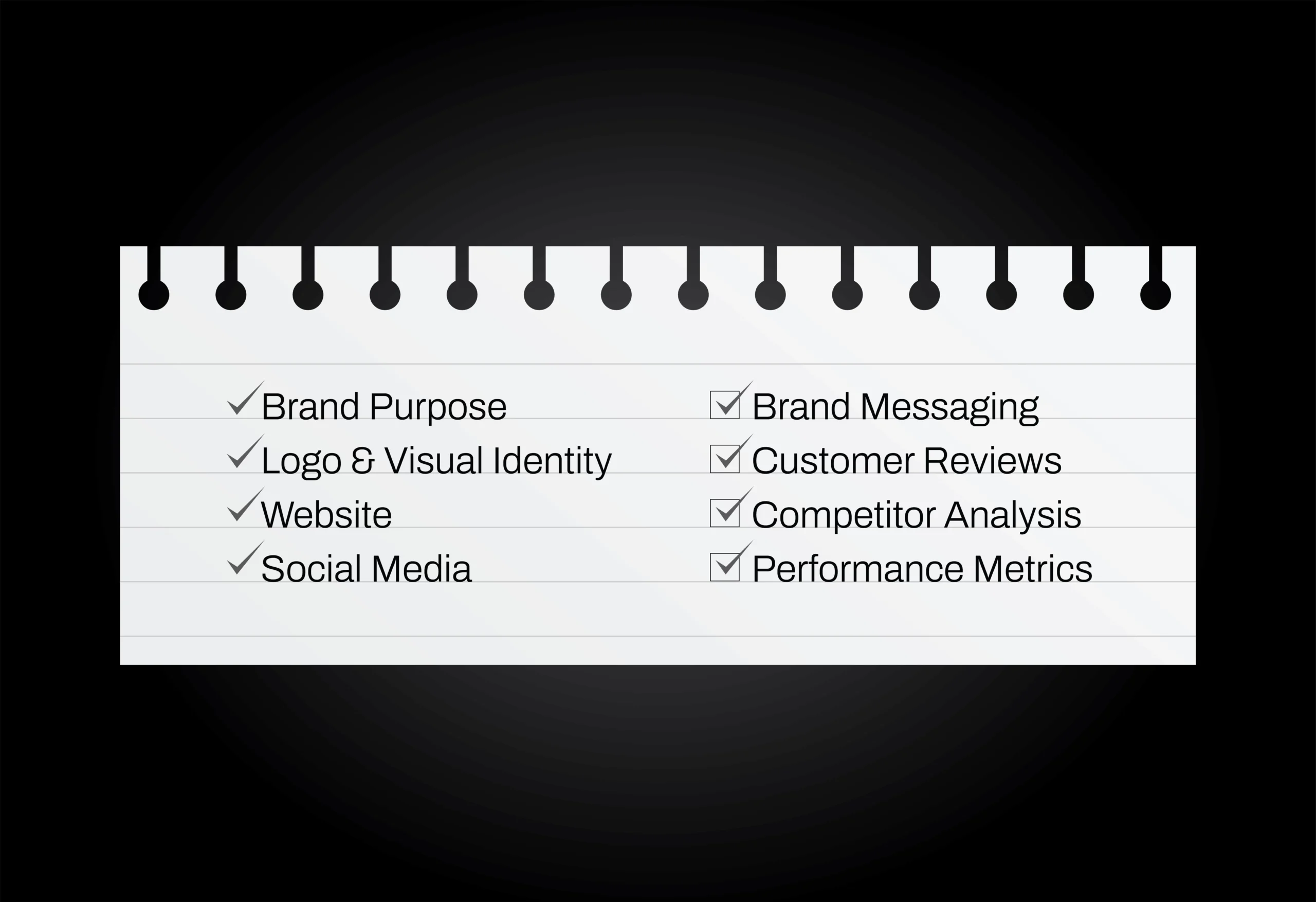
The following infographic demonstrates how different touchpoints work together to shape your brand.
What Is a Brand Audit?
A brand audit is a complete evaluation of how your brand is performing today.
It helps you understand whether:
Why Is a Brand Audit Important?
A brand audit helps businesses:
Without auditing, businesses often make decisions based on assumptions.
A brand audit replaces assumptions with evidence.
Signs Your Brand Needs an Audit
Not every problem requires a rebrand.
Sometimes it simply requires a brand audit.
Watch for these warning signs:
1. Sales Are Slowing Despite Marketing
You’re running campaigns.
Posting regularly.
Spending on ads.
But results aren’t improving.
The issue may be your brand perception rather than your promotions.
2. Customers Don’t Understand What You Do
If people frequently ask,
“So… what exactly does your company do?”
your messaging isn’t clear.
3. Every Platform Feels Different
Your website looks premium.
Instagram feels casual.
LinkedIn sounds corporate.
Your brochures use different colours.
Customers experience multiple versions of your brand.
4. Competitors Are Growing Faster
Even with similar products.
Sometimes the difference isn’t quality.
It’s positioning.
5. Your Business Has Changed
Perhaps you’ve:
But your branding still reflects the company you were five years ago.
6. Customers Describe You Differently
You believe you’re innovative.
Customers call you affordable.
You think you’re premium.
Customers think you’re expensive.
This gap matters.
How to Conduct a Brand Audit
Step 1: Revisit Your Brand Foundation
Start by asking:
Step 2: Audit Your Visual Identity
Review every visual element.
Ask:
Do all these look like they belong to the same brand?
Step 3: Audit Your Brand Communication
Read your own content as if you’re a customer.
Ask:
Is the tone consistent?
Is the value proposition clear?
Would a new customer immediately understand what we offer?
Step 4: Evaluate Customer Experience. Branding isn’t just what people see.
It’s what they experience.
Review every touchpoint:
Step 5: Listen to Customers
This is where the most valuable insights come from.
Read:
Their answers reveal your real brand image.
Step 6: Study Your Competitors
Don’t copy them.
Identify where you can be different.
Step 7: Measure Brand Performance
Track metrics like:
Numbers help validate what you observe.
Step 8: Identify the Gaps
Now compare:
Brand Promise vs Customer Experience
Brand Identity vs Brand Image
Business Goals vs Market Perception
These gaps become your action plan.
Brand Audit Isn’t About Finding Faults
Many businesses avoid audits because they fear discovering problems.
But that’s the wrong mindset.
A brand audit isn’t about criticism.
It’s about clarity.
It shows you:
Conclusion
Your brand isn’t static.
It’s shaped every day by customer experiences, market shifts, employee interactions, reviews, and every piece of communication your business puts out.
Ignoring your brand doesn’t stop it from changing it simply means you’re no longer in control of how it’s changing.
That’s why a brand audit isn’t a luxury reserved for large companies. It’s a strategic exercise every business should undertake regularly.
Because the strongest brands aren’t the ones that never change.
They’re the ones that continuously listen, evaluate, adapt, and evolve.
At BrandBand Media, we believe successful branding begins with understanding the present before planning the future. A thoughtful brand audit helps uncover hidden gaps, strengthen perception, and create a foundation for sustainable business growth
Shaped every day by customer experiences, market shifts, employee interactions, reviews, and every piece of communication your business puts out.
BrandBand Media Pvt. Ltd. is Pune’s leading branding and advertising agency dedicated to crafting impactful brand experiences.
BrandBand Media Pvt. Ltd.
Amogh Heights, Flat No.: 203, 2nd Floor Opp Yes Bank & Ruturang Society, Aranyeshwar Rd, Near TVS Shelar Showroom, Parvati, Pune 411009
info@brandbandmedia.com
Phone: +91 907 502 1409
Tel No: 020-24 46 2151
BrandBand Media Pvt. Ltd. is Pune’s leading branding and advertising agency dedicated to crafting impactful brand experiences.
BrandBand Media Pvt. Ltd.
Amogh Heights, Flat No.: 203, 2nd Floor Opp Yes Bank & Ruturang Society, Aranyeshwar Rd, Near TVS Shelar Showroom, Parvati, Pune 411009
info@brandbandmedia.com
Phone: +91 907 502 1409
Tel No: 020-24 46 2151
All Rights Reserved © Brandband Media Pvt. Ltd.
Privacy Policy | Terms & Conditions